|
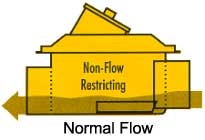
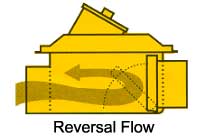
Some homeowners live in flood prone areas. One of the keys to building a flood proof basement is knowing your location in relation to the sanitary sewer system that serves your building or home. A sewer backup valve (waste backwater valve) can make the difference between having your basement flooded knee deep with raw sewage and staying high and dry.
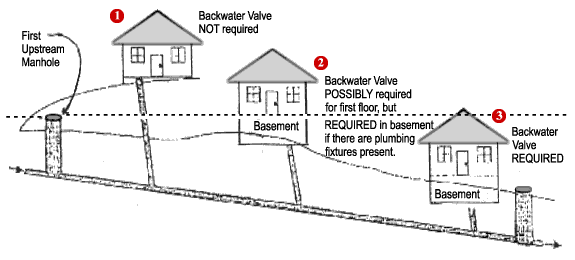
 Home #1 Does not need a backwater valve because water would drain from the first upstream sanitary sewer manhole which is lower than the inlet to the drain pipe in this home's basement. This home should never experience a flooded basement due to a sewer backup unless some unlikely event seals the first upstream manhole cover from opening. Home #1 Does not need a backwater valve because water would drain from the first upstream sanitary sewer manhole which is lower than the inlet to the drain pipe in this home's basement. This home should never experience a flooded basement due to a sewer backup unless some unlikely event seals the first upstream manhole cover from opening.
Drains located on the first floor of Home #2 might be safe as it is slightly higher (must be at least 24" higher) than the first upstream sanitary sewer manhole cover, but there are some cases in which pressure builds enough to temporarily allow water to flow at a level above the lowest drain. When in doubt, and especially when the second floor living space is installed, it is wise to install a back water valve. However, any drain fixture in the basement of Home #2 would be below the level of the first upstream manhole and sewage backups could occur without a backwater valve.
Any drain opening in Home #3 would be located below the level of the first upstream sewer manhole cover so this home would definitely require the installation of a backwater valve.
Some building codes now require the installation of a backwater valve no matter where the home is located in relationship to the first upstream manhole cover. Please check local municipalities plumbing code or with your local building inspector.
|